Selecting the Right Furnitures and Fittings (2026 Complete Guide)
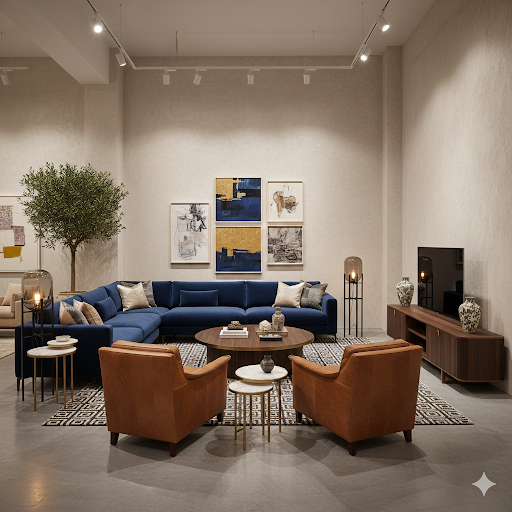
🧠 Quick Summary
Choosing the right furniture and fittings is one of the most important decisions when designing, renovating, or furnishing your home in Nigeria. Whether you are a homeowner in Abuja, a landlord in Lagos, or a diaspora investor furnishing a rental property, your choices directly affect comfort, durability, property value, and long-term return on investment (ROI). In this 2026 guide, you’ll learn how to select the best furniture and fittings for Nigerian homes — with practical tips tailored to our climate, lifestyle, and real estate market.
Choosing the right furniture and fittings is one of the most important decisions when designing, renovating, or furnishing your home in Nigeria. Whether you are a homeowner in Abuja, a landlord in Lagos, or a diaspora investor furnishing a rental property, your choices directly affect comfort, durability, property value, and long-term return on investment (ROI).
In this 2026 guide, you’ll learn how to select the best furniture and fittings for Nigerian homes — with practical tips tailored to our climate, lifestyle, and real estate market.
Why Choosing the Right Furniture and Fittings Matters
The right selection helps you:
Maximize space efficiency
Improve comfort and functionality
Increase rental and resale value
Reduce long-term maintenance costs
Create a visually appealing interior
For property investors and developers, well-chosen fittings can significantly boost market appeal and occupancy rates.
1. Understand Your Space Before Buying
Before purchasing any furniture:
Measure room dimensions accurately
Consider ceiling height
Check window and door placements
Evaluate traffic flow and movement areas
In many Nigerian apartments where space can be limited, oversized furniture can overwhelm a room. On the other hand, pieces that are too small may make the space feel unfinished.
Pro Tip: Always sketch a basic floor layout before shopping.
2. Choose a Clear Interior Design Style
A consistent design theme creates harmony and elegance. Popular interior styles in Nigeria include:
Modern Minimalist
Clean lines, neutral colors, simple forms.
Contemporary African Luxury
Earth tones, textured fabrics, local art elements.
Classic/Traditional
Rich wood finishes, detailed craftsmanship.
Scandinavian
Light wood, functional design, airy spaces.
Consistency in furniture and fittings enhances your home’s visual value and makes it more attractive to buyers or tenants.
3. Prioritize Functionality Over Decoration
Furniture should serve a purpose beyond aesthetics.
Smart choices include:
Storage beds for compact apartments
Modular sofas
Extendable dining tables
Built-in wardrobes
Multi-functional TV consoles
For rental properties or short-lets, durability and easy maintenance are essential.
4. Invest in Quality Materials
When selecting furniture in Nigeria, quality is critical due to humidity and temperature variations.
For Furniture:
Solid wood is more durable than particle board
Strong joints and frames prevent wobbling
High-density foam improves sofa longevity
Quality stitching increases durability
For Fittings:
Stainless steel or brass handles and hinges
Soft-close cabinet systems
Rust-resistant bathroom fixtures
Energy-efficient LED lighting
Cheap fittings often fail quickly and increase maintenance costs.
5. Consider Nigeria’s Climate
Nigeria’s tropical climate can affect furniture lifespan.
Avoid untreated wood in humid areas
Choose moisture-resistant materials
Use rust-proof fittings
Ensure good ventilation
This is especially important in coastal cities where humidity levels are higher.
6. Focus on Comfort and Ergonomics
Comfort should never be sacrificed for style.
Check:
Sofa cushioning and depth
Mattress support level
Dining chair height
Office chair ergonomics
With remote work becoming common, investing in ergonomic home office furniture is essential for productivity and health.
7. Set a Smart Furniture Budget
Break your budget into categories:
Essential furniture (bed, sofa, dining set)
Secondary pieces (side tables, décor)
Fittings and hardware
Spend more on high-use items and moderate your spending on decorative pieces.
8. Think Long-Term Investment Value
Strategic furniture and fittings can:
Increase rental income
Improve short-let occupancy rates
Enhance resale value
Reduce repair and replacement costs
For developers and property investors, premium finishing often leads to higher perceived value and stronger ROI.
9. Where to Buy Quality Furniture in Nigeria
To avoid costly mistakes:
Buy from reputable furniture makers
Inspect products physically when possible
Ask about warranty and after-sales service
Verify online reviews before ordering
Custom-made furniture from trusted local artisans can sometimes offer better durability than imported flat-pack options.
10. Furniture & Fittings Selection Checklist
Before finalizing your purchase, confirm:
✔ Proper measurements taken
✔ Matches your design style
✔ Durable and climate-resistant materials
✔ Comfortable and functional
✔ Within budget
✔ Warranty provided
✔ Easy to maintain
Final Thoughts
Selecting the right furniture and fittings in Nigeria is not just about decoration — it’s about making smart investment decisions that enhance comfort, functionality, and property value.
Whether you are furnishing your personal residence or preparing an investment property, thoughtful planning and quality materials will always pay off in the long run.