Flooding Menace in Nigeria: Causes, Impacts, and Why It Keeps Getting Worse
🧠 Quick Summary
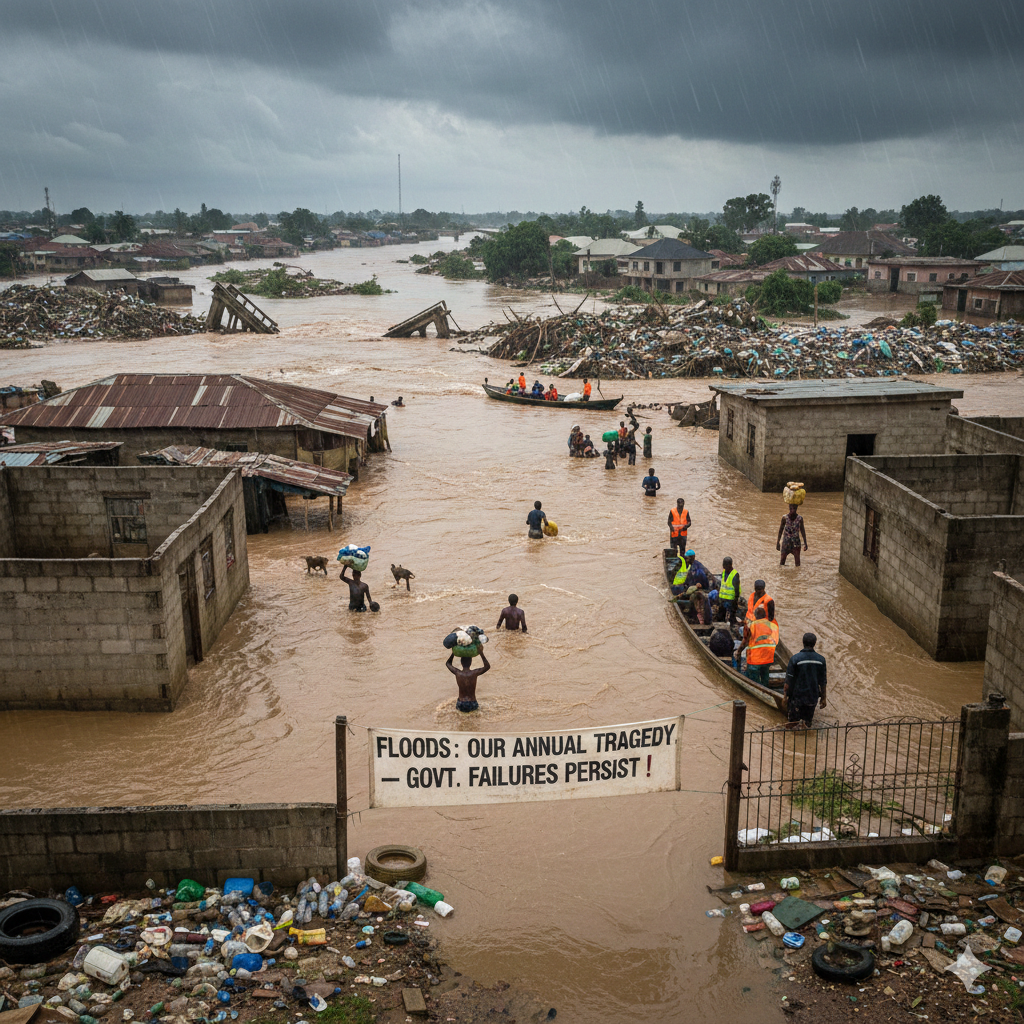
Flooding has become one of the most destructive environmental disasters in Nigeria. Every year, thousands of homes are submerged, farmlands destroyed, roads cut off, and lives disrupted. From urban flash floods in Lagos to river overflows along the River Niger and River Benue, the problem continues to escalate.
Flooding has become one of the most destructive environmental disasters in Nigeria. Every year, thousands of homes are submerged, farmlands destroyed, roads cut off, and lives disrupted. From urban flash floods in Lagos to river overflows along the River Niger and River Benue, the problem continues to escalate.
But what exactly is causing the persistent flooding crisis in Nigeria?
In this article, we explore the major causes of flooding in Nigeria, why the problem is worsening, and what property owners, developers, and policymakers must understand.
What is Flooding?
Flooding occurs when water overflows onto land that is usually dry. In Nigeria, flooding can be categorized into:
Urban flooding – common in cities due to poor drainage.
River flooding – caused by rivers overflowing their banks.
Flash flooding – sudden flooding after intense rainfall.
Coastal flooding – common in low-lying coastal areas.
Major Causes of Flooding in Nigeria
1ï¸âƒ£ Heavy and Prolonged Rainfall
Nigeria experiences intense rainfall during the wet season (typically April–October). When rainfall exceeds the soil’s absorption capacity and drainage systems fail to cope, flooding occurs.
Climate change has worsened the situation by increasing:
Rainfall intensity
Unpredictable weather patterns
Extreme storm events
This has made floods more frequent and severe in recent years.
2ï¸âƒ£ Poor Drainage Infrastructure
One of the biggest contributors to flooding in urban Nigeria is inadequate drainage systems.
Cities like:
Port Harcourt
Ibadan
Abuja
Struggle with:
Blocked gutters
Undersized drainage channels
Poorly designed stormwater systems
Without proper drainage networks, rainwater accumulates rapidly, leading to street and residential flooding.
3ï¸âƒ£ Indiscriminate Waste Disposal
Poor waste management significantly contributes to flooding. Many residents dispose of refuse in gutters, canals, and drainage channels.
This results in:
Blocked water pathways
Reduced drainage capacity
Overflow during rainfall
Until waste disposal habits improve and enforcement becomes stricter, urban flooding will persist.
4ï¸âƒ£ Unplanned Urbanization and Illegal Structures
Rapid urban growth has led to:
Construction on floodplains
Building on natural waterways
Encroachment on drainage setbacks
In many Nigerian cities, developments occur without proper environmental impact assessments. Informal settlements often emerge in high-risk flood zones, increasing vulnerability.
5ï¸âƒ£ River Overflow and Dam Water Releases
Nigeria’s major rivers, especially the River Niger and River Benue, overflow during peak rainy seasons.
Additionally, water releases from upstream dams (including dams outside Nigeria) increase water levels downstream, leading to widespread flooding in riverine communities.
This type of flooding typically affects:
Kogi
Benue
Anambra
Delta
Bayelsa States
6ï¸âƒ£ Deforestation and Environmental Degradation
Trees and vegetation naturally absorb rainwater and reduce surface runoff. However, increasing deforestation due to:
Urban expansion
Logging
Agriculture
Has reduced the land’s ability to absorb excess water. As a result, more water flows directly into rivers and urban areas, increasing flood risk.
7ï¸âƒ£ Climate Change and Sea-Level Rise
Climate change is intensifying flooding in Nigeria by causing:
More extreme rainfall
Rising sea levels
Coastal erosion
Low-lying coastal areas, especially in Lagos, are increasingly vulnerable to tidal surges and coastal flooding.
8ï¸âƒ£ Weak Urban Planning and Poor Enforcement
Although urban planning regulations exist, enforcement remains weak. Common issues include:
Approval of buildings in flood-prone zones
Failure to implement master plans
Lack of flood risk assessments before construction
This regulatory gap significantly worsens the flooding crisis.
Impact of Flooding in Nigeria
Flooding causes severe social and economic consequences, including:
Loss of lives
Destruction of homes and properties
Damage to roads and infrastructure
Crop losses and food insecurity
Increased spread of waterborne diseases
For property investors and developers, flooding also reduces property value and increases insurance and maintenance costs.
Why Flooding Keeps Getting Worse
Flooding in Nigeria is not caused by one factor alone. It is the result of:
Natural climatic conditions
Rapid urban growth
Poor infrastructure
Environmental mismanagement
Weak policy enforcement
Without coordinated action at federal, state, and local levels, the problem will continue to escalate.
Final Thoughts
The flooding menace in Nigeria is a serious environmental, economic, and urban planning challenge. While heavy rainfall and climate change play a role, human activities such as poor drainage, illegal construction, and waste mismanagement significantly worsen the crisis.
To reduce flooding risks, Nigeria must prioritize:
Sustainable urban planning
Modern drainage infrastructure
Environmental protection
Strict building regulation enforcement
Public awareness campaigns.