The Dangers of Building Under or Close to Power Lines
🧠 Quick Summary
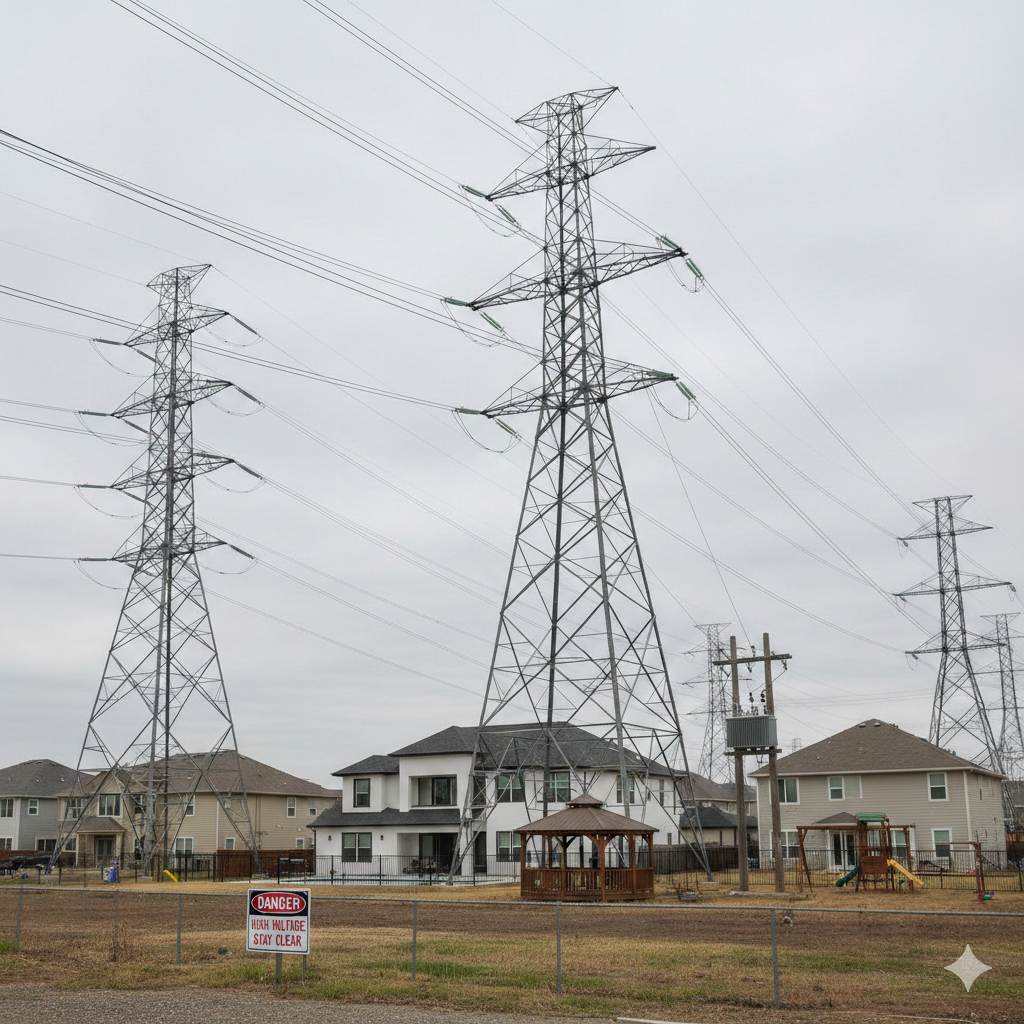
When buying land or planning construction, many people focus on price, location, and accessibility — but one critical danger is often overlooked: nearby power lines. Building a house, shop, or office under or too close to high-tension electricity lines can expose occupants to electrocution, fire outbreaks, health concerns, legal penalties, and even demolition. Across Nigeria and many developing cities, structures built along transmission corridors have resulted in fatal accidents and property losses.
When buying land or planning construction, many people focus on price, location, and accessibility — but one critical danger is often overlooked: nearby power lines.
Building a house, shop, or office under or too close to high-tension electricity lines can expose occupants to electrocution, fire outbreaks, health concerns, legal penalties, and even demolition.
Across Nigeria and many developing cities, structures built along transmission corridors have resulted in fatal accidents and property losses.
Before you build, here’s what you must know.
âš ï¸ What Are Power Line Right-of-Ways?
Electricity transmission companies maintain safety corridors known as Right-of-Way (ROW) or setbacks. These areas are legally reserved to:
Protect lives
Prevent electrical accidents
Allow maintenance access
Avoid fire disasters
Building within these zones is dangerous and often illegal.
🚨 Major Dangers of Building Near Power Lines
1. Risk of Electrocution and Fire
High-tension lines carry extremely high voltage (33kV–330kV or more).
Electricity can:
Jump through the air (electrical arcing)
Travel through metal roofs, scaffolds, or rods
Energize wet ground during rain
This can cause:
Instant death
Severe burns
Electrical fires
Damage to home appliances
Even without direct contact, power lines can still be deadly.
2. Health Effects from Electromagnetic Fields (EMF)
Power lines constantly emit electromagnetic radiation.
According to the World Health Organization, long-term exposure to strong EMFs may be associated with:
Headaches
Sleep disorders
Fatigue
Stress
Possible increased cancer risks (especially childhood leukemia – still being researched)
Although studies are ongoing, experts advise limiting prolonged exposure.
3. Construction Accidents
Building close to power lines increases risks for workers.
Common hazards include:
Cranes touching live cables
Iron rods or ladders conducting electricity
Workers electrocuted during roofing
Many site fatalities happen during construction — not after completion.
4. Noise Pollution and Discomfort
High-tension lines often produce:
Buzzing sounds
Crackling during rain
Humming at night
Radio and TV interference
These reduce:
Comfort
Sleep quality
Property desirability
5. Legal Consequences and Demolition
Power line corridors are protected by law.
Utility providers can:
Remove illegal structures
Refuse connections
Deny compensation
Impose penalties
In Nigeria, electricity infrastructure is managed by the Transmission Company of Nigeria, which enforces strict right-of-way rules.
Many property owners have lost buildings because they ignored setback requirements.
6. Reduced Property Value
Homes near transmission lines typically:
Sell slower
Rent cheaper
Attract fewer buyers
Face mortgage/insurance issues
Most buyers avoid them due to perceived risks.
7. Storm and Weather Dangers
During heavy rain or wind:
Lines may snap or sag
Fallen cables electrify waterlogged ground
Sparks may ignite fires
This creates serious risk for entire neighborhoods.
📠Recommended Safe Distance from Power Lines
Voltage Level
Minimum Safe Distance
Low voltage
3–5 meters
11–33kV
10–15 meters
132kV+ transmission
25–50 meters or more
Always confirm with your local electricity authority or town planning office.
✅ Safety Tips Before You Build
Follow these precautions:
✔ Check land survey for utility easements
✔ Avoid buying land directly under transmission lines
✔ Visit electricity authorities for clearance
✔ Respect setback regulations
✔ Avoid metal roofs close to cables
✔ Get building approval before construction
ðŸ Final Thoughts: Is It Worth the Risk?
Building under or close to power lines might look cheaper initially, but the long-term risks include:
⌠Loss of life
⌠Health problems
⌠Fire disasters
⌠Legal demolition
⌠Reduced property value
In real estate and construction, safety must always come first.
If land is near a transmission corridor, it’s better to choose another location than face future tragedy or financial loss.